
How LTA Lufttechnik secures a wide variety of production processes
Discover the most common processes in our overview below:
Airborne substances
The so-called “airborne substances” should be disposed of safely as quickly as possible. LTA Lufttechnik products are used for this purpose, as these often dangerous substances are captured primarily via extraction. This should take place as quickly as possible after the airborne substances are produced and also as close as possible to the point of origin. At least as important: The extraction must not impair the production process or the processed material/product.
Of course, the LTA experts are familiar with the respective national guidelines, and we are also familiar with internal group specifications as part of OEM projects. Because: We deal intensively with the local conditions before we develop a solution.
We know what YOU do.
At this point, we enable you to quickly compare your production processes, the possible contaminations and hazards resulting from them, and the associated regulations with our solutions for these challenges. Because: We know what YOU do. But we also know how we can support you in doing so with OUR actions.
We offer solutions for the following production processes■

Your Contact
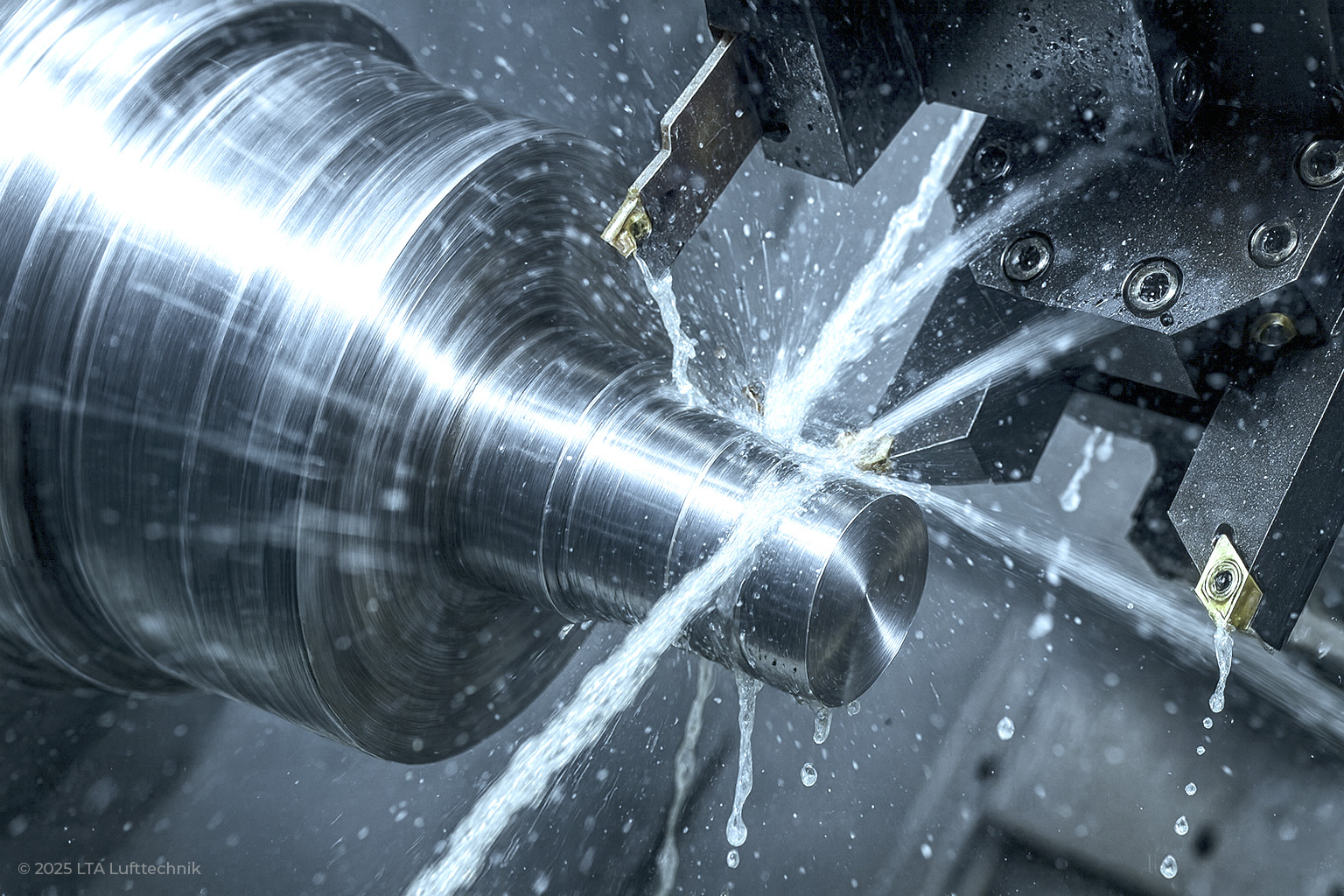
Turning, Milling & Drilling
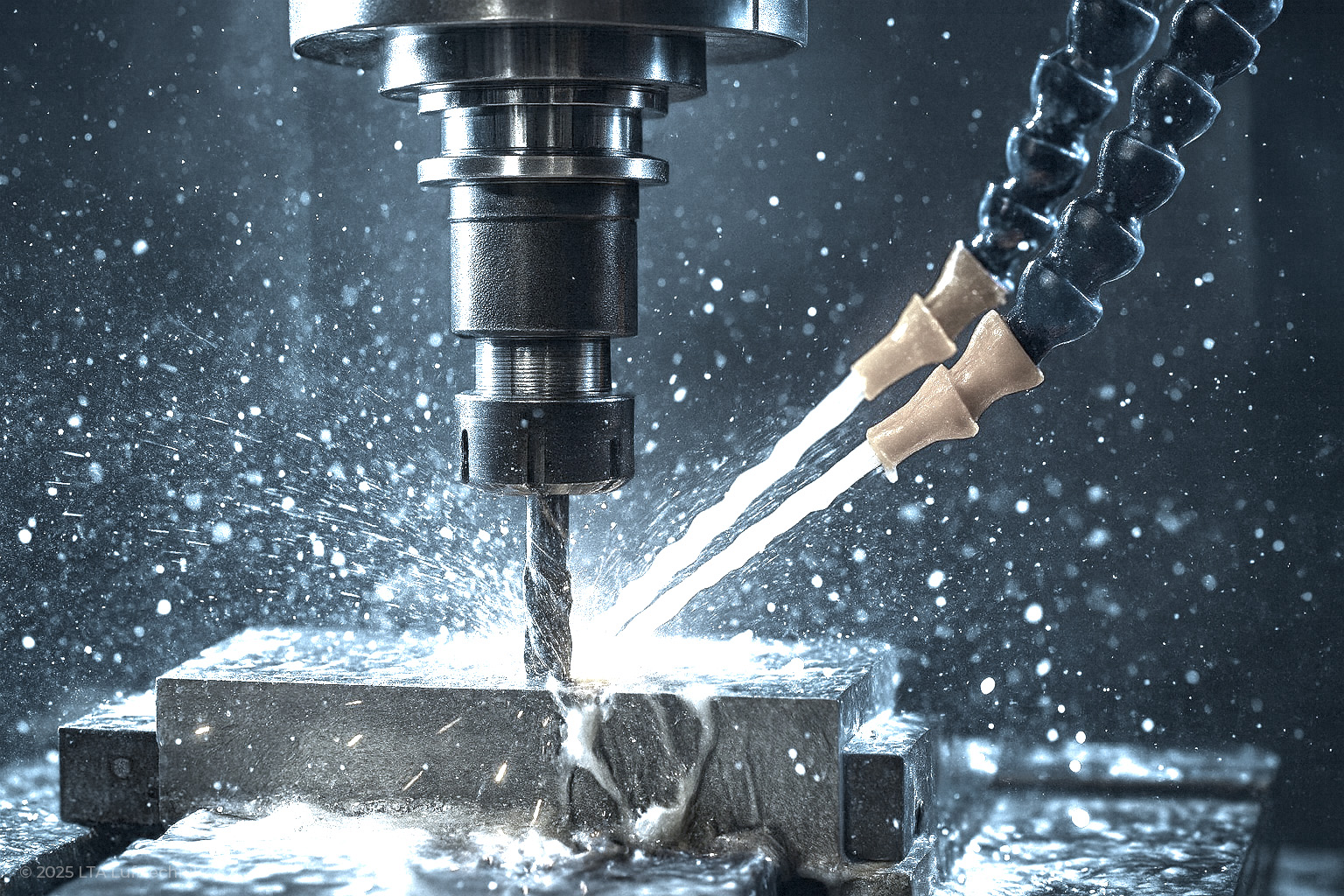
The machining methods of turning, milling, sawing, drilling, etc. of materials such as gray cast iron, hard steel, light metals, non-ferrous metals and alloys make the use of cooling lubricants (KSS) such as oil, emulsion or MMS necessary.
Dusts and aerosols or a mixture of these are produced during the machining process. These contaminate the machine room and can endanger human health – especially if the contaminated air escapes to the outside. There is also a risk of smoke and vapors forming due to the thermal effects during machining.
The electrostatic as well as the mechanical filtration systems from LTA offer the solution for individual, group and central extraction.
Grinding
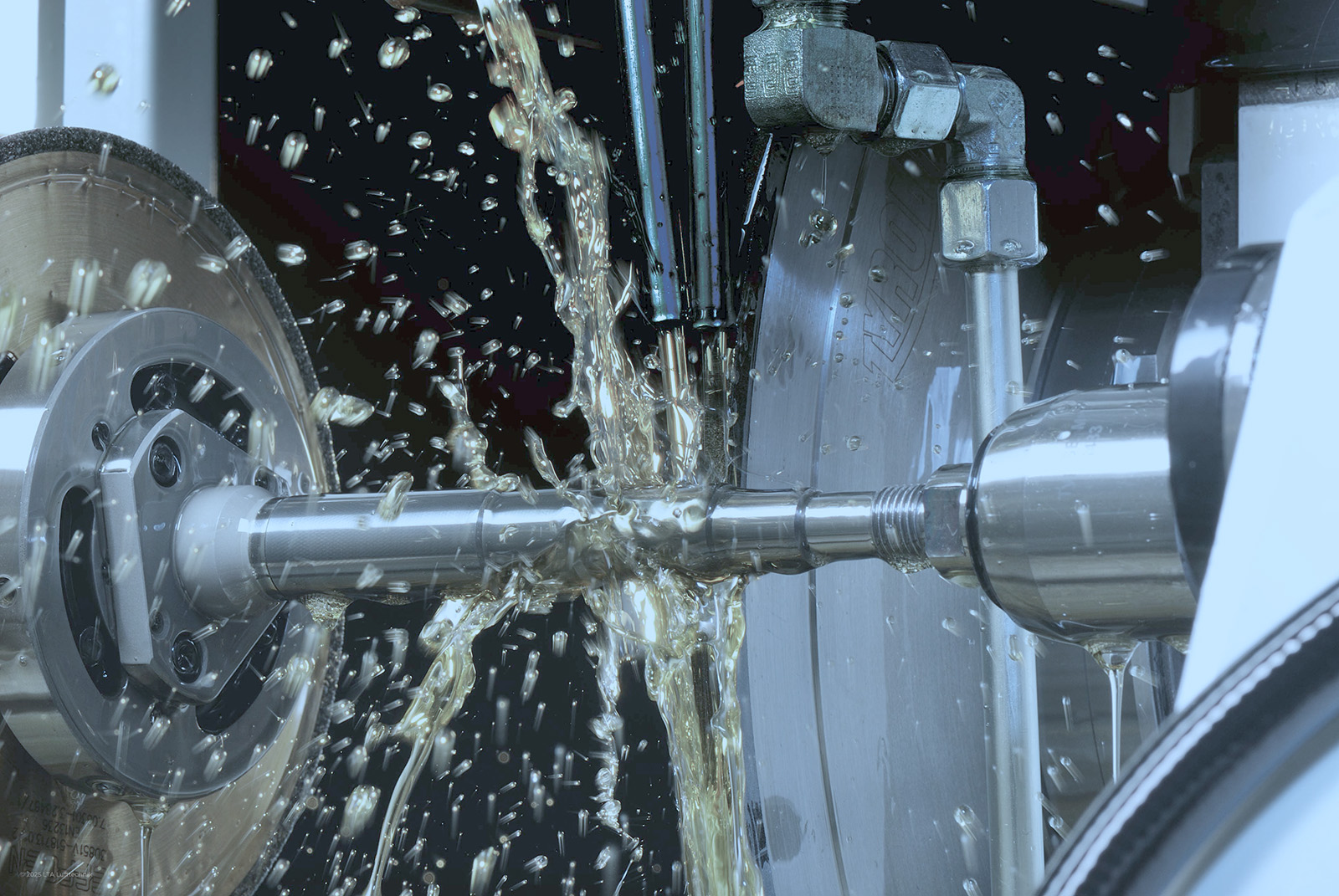
The grinding process requires essential aids. These include cooling lubricants, emulsions, solvents, alkaline cleaners, corrosion inhibitors, additives for cooling lubricants such as antifoaming agents, biocides or anti-wear additives.
In addition, binders for abrasives are required (resins, synthetic resins, ceramic binders) and separating agents as well as viscosity improvers. During grinding as well as sawing, point-shaped dust emissions are released – from metal or heavy metal, but also from plastic and ceramic.
In high-speed grinding machines, the high tool speeds (ventilation effect) also cause the atomization of the finest particles from cooling lubricant (cooling lubricant aerosols). However, these cooling lubricants can be captured, for example, with an LTA wet separator.
Forming
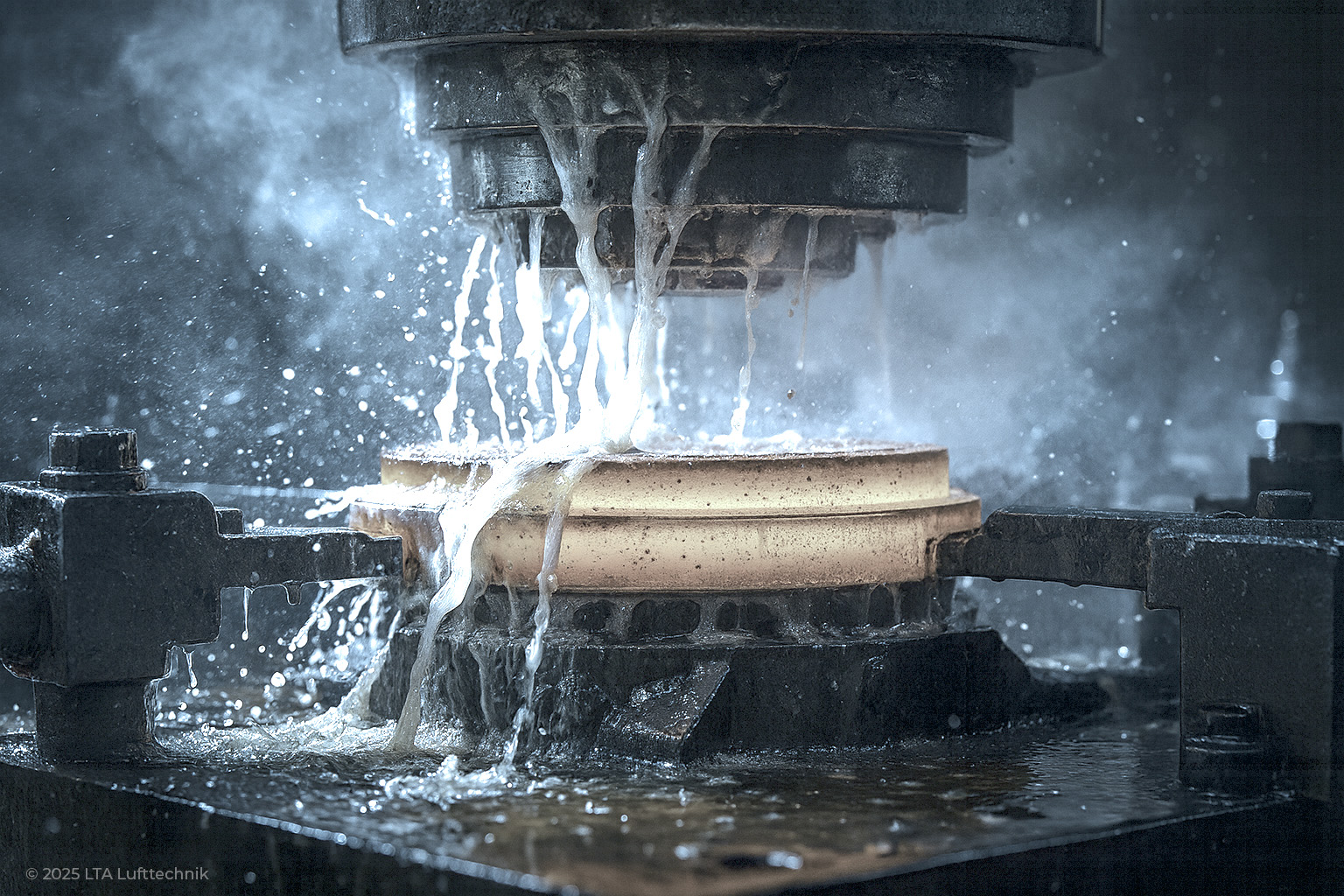
Forming processes often require auxiliary materials to reduce the frictional resistance or to cool the tools. These include lubricants or rolling and deep-drawing oils as well as drawing compounds. They are classified as hazardous substances and therefore require special precautions when used.
During the forming process, these auxiliary materials can heat up, which creates emissions that can hardly be avoided and should be extracted immediately and reliably.
Pressing
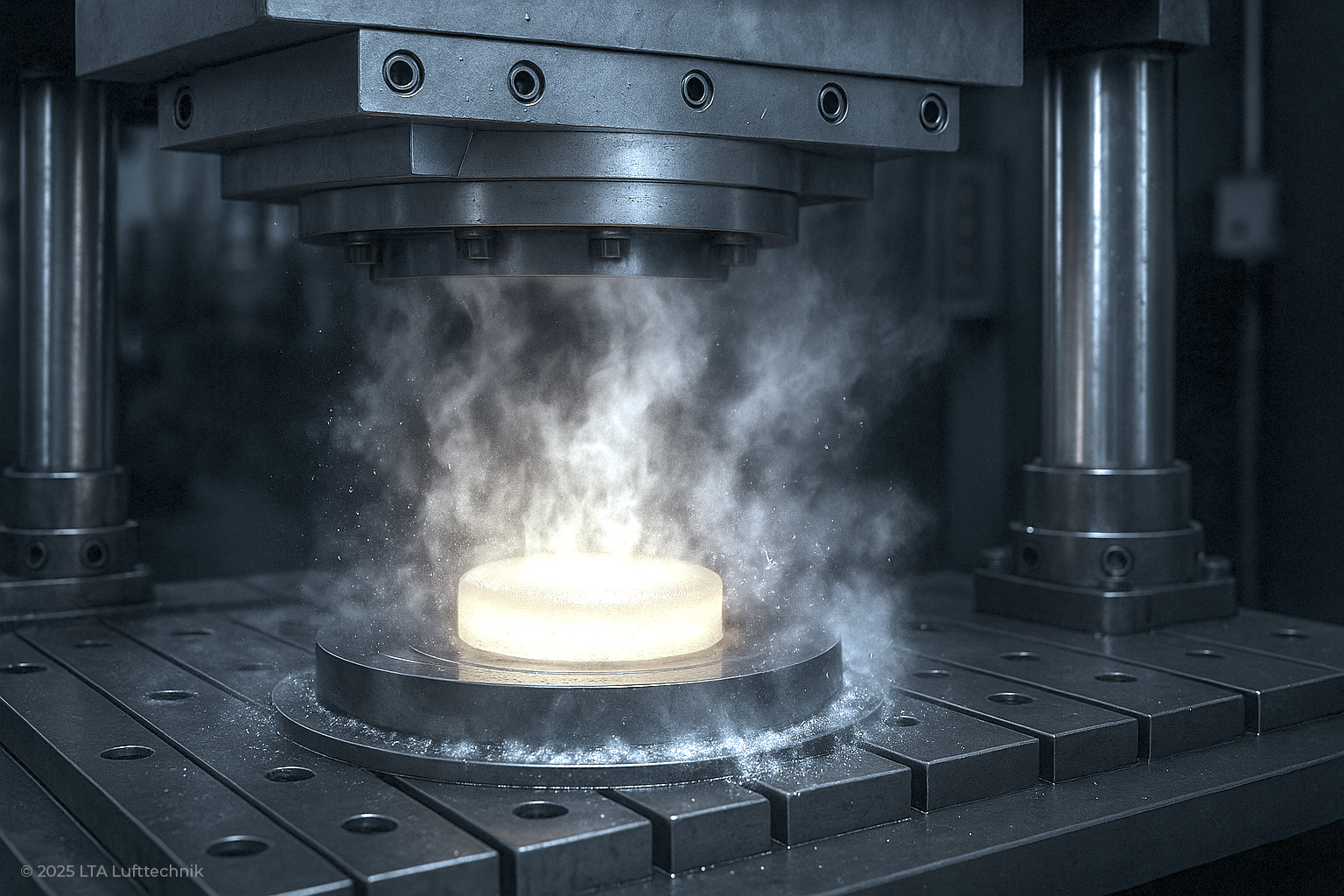
A wide variety of auxiliary materials are used in the processing of metals and plastics by pressing in order to optimize this industrial process. These include lubricants or dry lubricants such as graphite or molybdenum disulfide; release agents (silicone- or wax-based) and powders to prevent the material from sticking to the mold.
Coolants are also used, so-called water-based cooling lubricants, and cleaning agents are needed (solvents and detergents or cleaning granules), corrosion protection agents (oils and waxes); additives (plasticizers, stabilizers, hardeners and accelerators) and, at the end, possibly also grinding pastes and polishing agents for finishing.
The use of these auxiliary materials during pressing can produce a variety of pollutants. These include metal and plastic dusts, volatile organic compounds (VOCs), smoke and fumes (especially when welding and soldering is also carried out during pressing); gases and oil mist.
Hardening
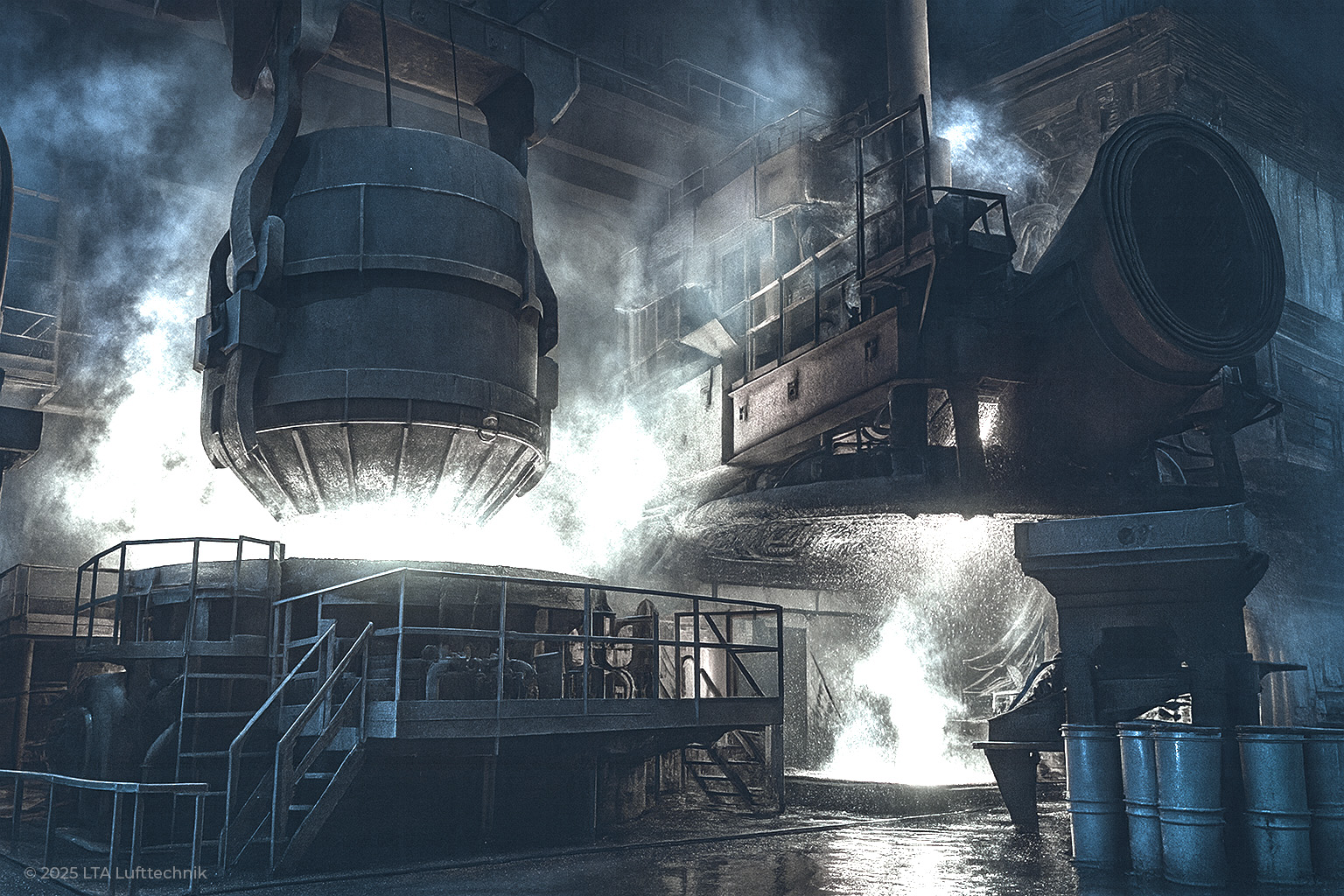
In the industrial process of hardening, various auxiliary materials are used to achieve high-quality workpieces. These include hardening salts (nitriding salts and carbonitriding salts), coolants and quenching agents such as oils and brines, but also protective gases and atmosphere modifiers.
It also requires cleaning and degreasing agents, temperature control agents, hard metal coatings and pastes, as well as hardeners and accelerators.
Casting
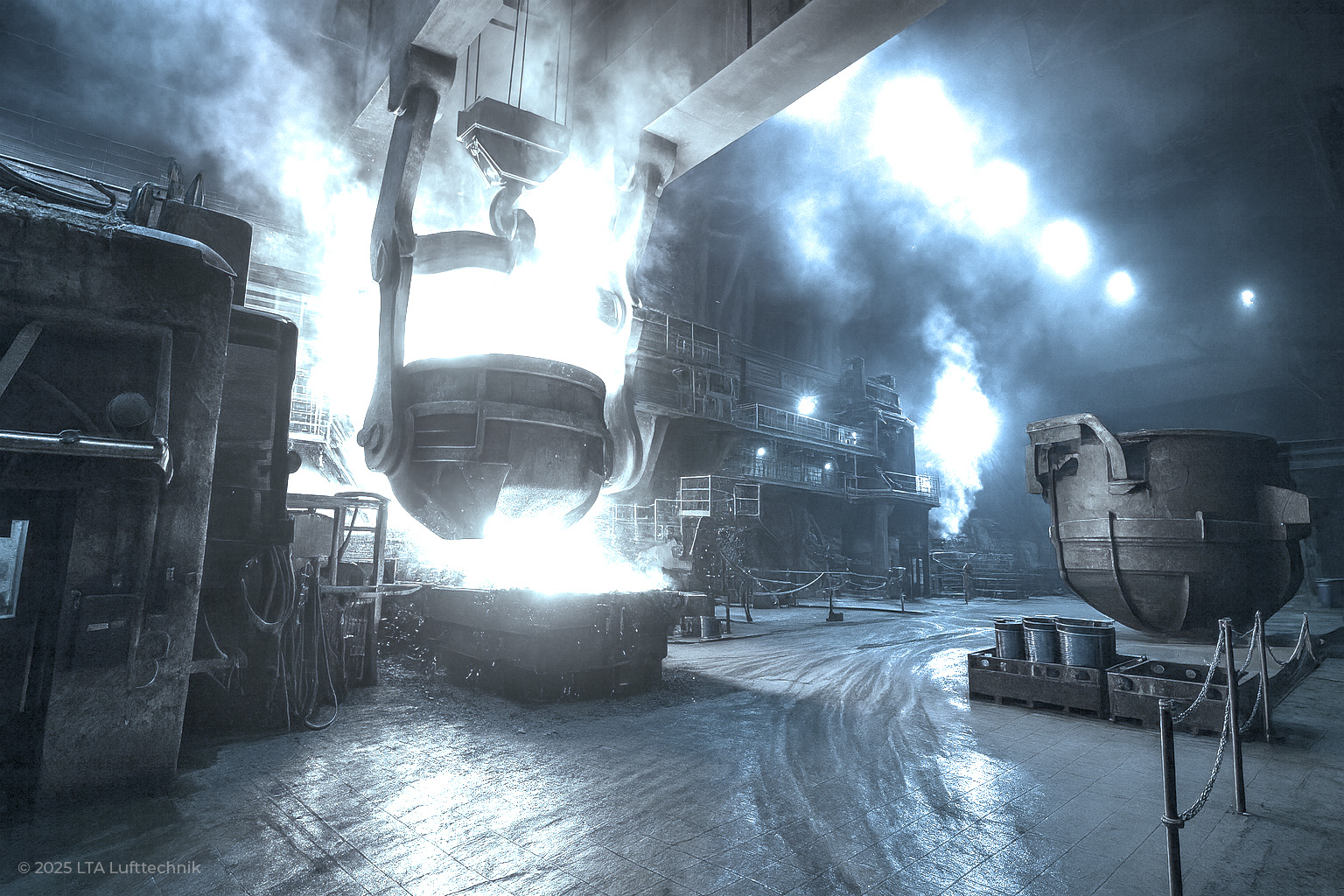
During the process itself, various pollutants can be emitted – also due to the use of these auxiliary materials. These include metal dust, aerosols from quenching oils (which can occur primarily during rapid cooling in oil), fine dust, as well as vapors and smoke. The use of extraction and filtration systems is an important measure for controlling and reducing these pollutants.
Other
Do you work with processes that we have not listed here? Then you are still welcome to contact us. We are ready to work with you to develop the perfect solution for keeping your air clean and for complying with all regulations. If you would like advice, you can contact us.
Frequently asked questions about the production processes
Why is process air filtration necessary in industrial manufacturing?
Production processes not only generate different products, but also produce a variety of dusts, fumes, emissions, gases, mists, or chips. These airborne substances not only affect the health of your employees, but also your obligation to comply with legal requirements such as occupational safety, machinery directives, and sustainability standards.
LTA Lufttechnik offers the right solutions to ensure that these substances can be removed quickly and safely. Extraction usually takes place via extraction systems – ideally directly at the point of origin and immediately after the pollutants are formed. Equally important: The extraction must not impair the production process or the material being processed in any way.
Which filtration systems are suitable for different industrial processes such as turning, milling, or grinding?
For wet applications such as the extraction of cooling lubricant mist, electrostatic as well as mechanical filtration systems can be used. LTA offers the solution for single-station, group and central extraction.
For dry processes, we rely on mechanical solid particle filters that reliably capture and separate dust and smoke – regardless of type and quantity.
Our systems are flexible and can be used in a variety of ways: from simple industrial applications to complex requirements with special customer specifications. Powerful cartridge and bag filters are available for cleaning harmful particles. This not only ensures air quality, but also the health of your employees and the quality of your production.
Are industrial filtration systems suitable for all applications or should they be selected depending on the process?
The choice of the right extraction system begins with a well-founded analysis.
The consulting experts at LTA Lufttechnik specialize in precisely this. We know all the relevant parameters that are decisive for the optimal selection of a filtration system – and support you in finding the perfect solution.
Whether mechanical or electrostatic filters, single-station or group extraction, central system or systems for wet machining: We recommend exactly the system that suits your requirements. Our solutions impress with maximum separation efficiency, low-noise operation and a sophisticated inner workings – even washable for maximum hygiene and durability. LTA Lufttechnik – for clean air, safe processes and sustainable production.
What are the consequences of missing or inadequate process air filtration for machines, employees, and production quality?
Inadequate process air filtration not only endangers the health of your employees, but also the performance of your machines and the quality of your products. Dust, smoke and oil mist lead to increased wear, unplanned downtimes and rising maintenance costs. At the same time, productivity decreases if poor air impairs concentration or legal requirements are violated.
How does modern industrial filtration affect energy efficiency, maintenance costs, and operational safety?
Air purification in industrial processes has long been more than just a luxury; it is a legal requirement. In addition, the use of filtration systems in processes such as machining, grinding, forming, pressing, hardening, etc. is not only based on direct regulations. Rather, concern for the integrity and safety of people at their workplaces or at machines has now become an important component of a company’s social sustainability. The equipping of industrial workplaces with filtration systems – especially those with low energy consumption – is already reflected in companies’ sustainability reports.
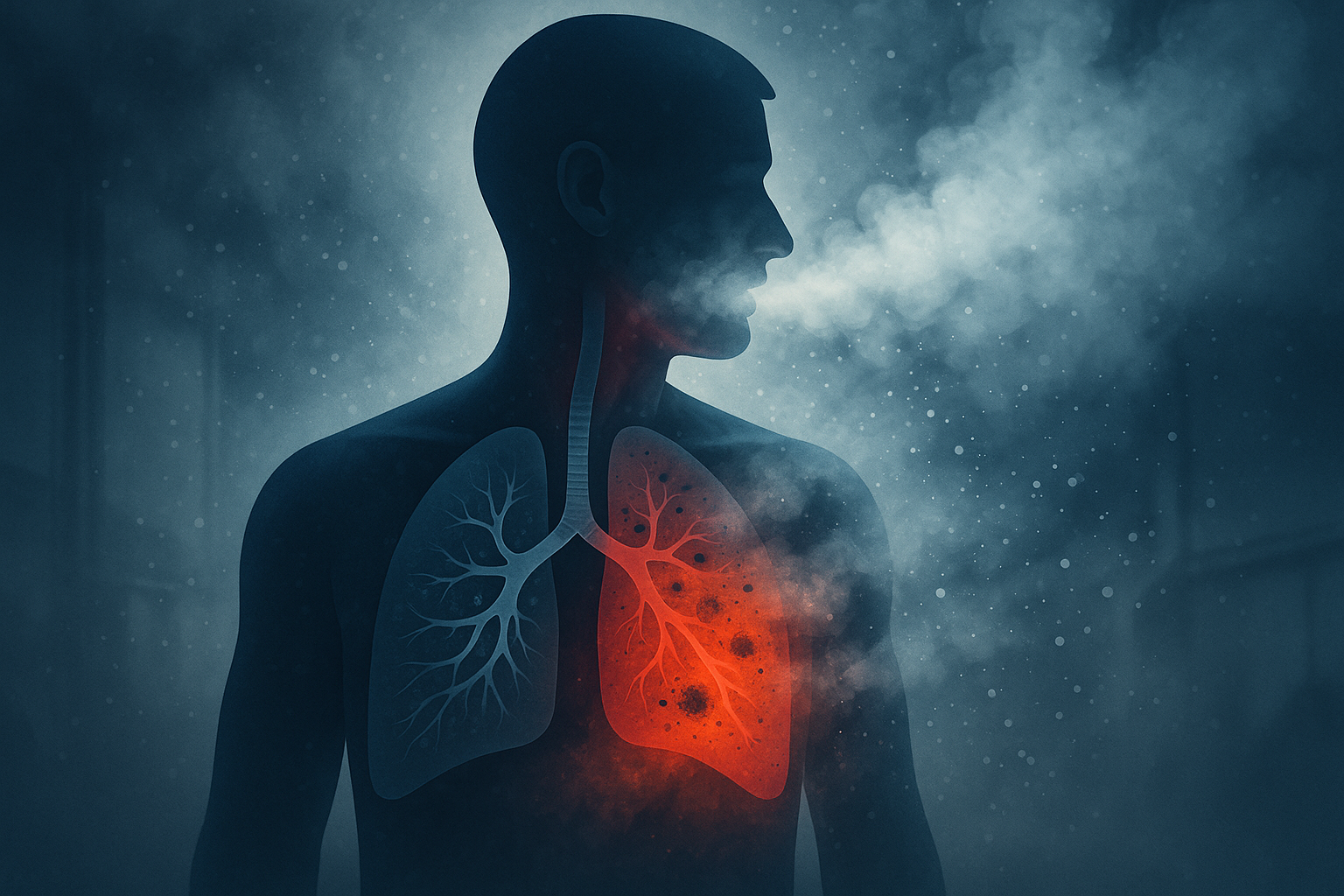
Attention! This is how dangerous cooling lubricants are!
Humans are at risk when handling cooling lubricants because they can absorb them through their respiratory tract. If they are exposed to these, experts assume that particles around 10-20 µm in size are retained in the nose. Those with a size of 2-15 µm penetrate as far as the bronchi and bronchioles. Those that are smaller than 2 µm even reach the extremely fine branches of the lungs (alveoli).
There, they are broken down by macrophages (scavenger cells or white blood cells) and transported into the lymphatic vessels.
Particles with a size of 2.0 – 0.1 µm are considered the most dangerous.
However, emulsion mists and oily air pose completely different hazards. They can disrupt the electronics of machines and equipment, disable control units or even lead to short circuits and corrosion. If oil and emulsions settle in places where they are not wanted, this leads to contamination and thus damage to e.g. customer products. And: Oil and emulsions that settle on the floor pose a risk to employees – not only because they can be inhaled, but also because they pose a risk of slipping.


